Childhood Trauma Therapy for Adults
Understanding the lasting impact of childhood experiences, exploring patterns of emotional survival and developing a greater sense of safety, self-worth and connection in adult life.
Trauma-informed therapy in Blackpool and the Fylde Coast, and online nationwide.
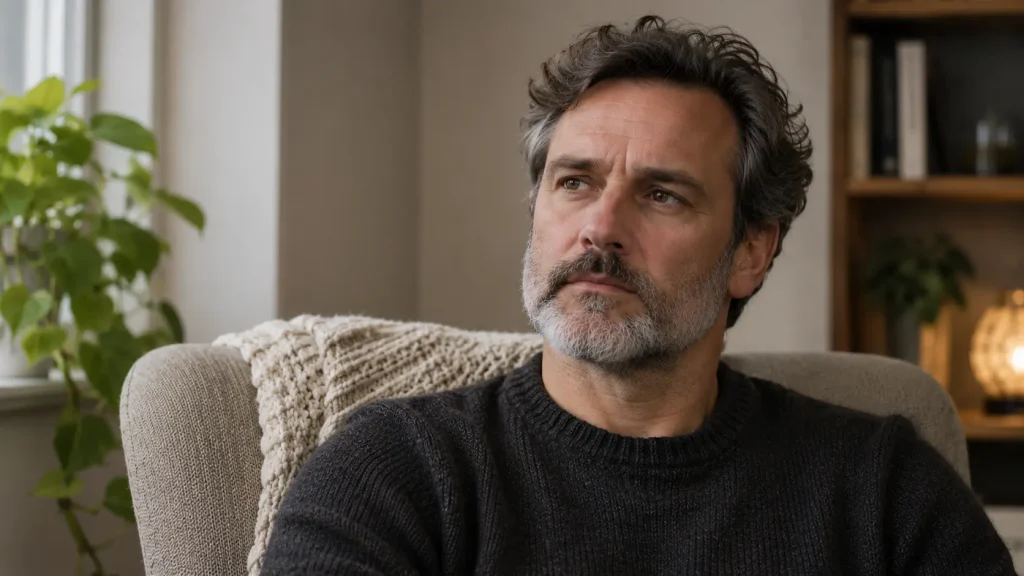
Understanding the Lasting Impact of Childhood Trauma
Our early experiences can shape how we understand ourselves, relate to others and experience the world around us.
Childhood trauma may arise from experiences of abuse, emotional neglect, abandonment, inconsistent caregiving or growing up in an environment where emotional or physical safety was uncertain.
It is not always a single traumatic event. Sometimes, it is the cumulative experience of having emotional needs overlooked, feelings dismissed or learning that love and acceptance are conditional.
As children, we develop ways of adapting to our circumstances. We may learn to suppress our emotions, anticipate the needs of others, remain constantly alert to potential danger or become overly self-reliant.
Although these responses may have helped us navigate difficult childhood experiences, they can continue to influence our emotional wellbeing, identity and relationships in adulthood.
Childhood trauma therapy offers a supportive space to understand these patterns, explore their origins and develop new ways of relating to yourself and others.
How Childhood Trauma Can Show Up in Adult Life
The effects of childhood trauma are not always immediately recognisable. They may emerge through recurring emotional difficulties, relationship patterns or a persistent sense of disconnection from yourself.
You may experience:
- Anxiety, hypervigilance or emotional overwhelm.
- Low self-esteem and persistent feelings of shame.
- Difficulties trusting others or feeling safe in relationships.
- Fear of abandonment, rejection or emotional intimacy.
- People-pleasing and difficulties establishing healthy boundaries.
- A strong inner critic and unrealistic expectations of yourself.
- Emotional numbness or a sense of disconnection.
- Intrusive memories or overwhelming emotional reactions.
- A tendency to prioritise survival over your own emotional needs.
These patterns may reflect adaptations to earlier experiences rather than personal shortcomings.
Through therapy, we can begin to understand what these responses once protected you from, how they influence your life today and what might need to change for you to experience greater emotional safety and freedom.
Moving Beyond Survival Towards Emotional Safety
My approach to childhood trauma therapy is integrative, relational and trauma-informed, placing emotional safety and the therapeutic relationship at the heart of our work.
Therapy is not about repeatedly reliving painful experiences. Instead, we begin by developing a sense of safety and stability, recognising how earlier experiences may continue to influence your present life.
Together, we can work towards:
- Developing emotional regulation and a greater sense of safety.
- Understanding protective patterns and survival responses.
- Exploring childhood experiences and unmet emotional needs.
- Working with the inner critic and feelings of shame.
- Developing self-compassion, confidence and self-worth.
- Understanding different parts of yourself and their protective roles.
- Establishing healthier boundaries and relationship patterns.
- Reconnecting with your identity, needs and personal choices.
Where appropriate, our work may incorporate attachment-based therapy, parts work, inner child work and body-based grounding techniques.
There is no expectation to disclose or explore painful memories before you feel ready. Our work is collaborative and progresses at a pace that respects your emotional needs and individual circumstances.
The aim is not to change your past, but to explore how its influence on your present life might change.
Childhood Trauma Therapy in Blackpool and Online
I offer trauma-informed psychotherapy for adults experiencing the lasting effects of childhood abuse, emotional neglect and difficult early relationships.
My clinical experience includes supporting adult survivors of childhood abuse and complex trauma, alongside specialist training in attachment trauma, dissociation and emotional stabilisation.
Sessions are available face-to-face in Blackpool and across the Fylde Coast, and online throughout the UK.
You do not need to have all the answers about your past to begin therapy. We can start with what you are experiencing today and gradually explore what feels relevant to your emotional wellbeing.
I offer a free introductory consultation to discuss your needs and explore whether my therapeutic approach feels right for you.
Frequently Asked Questions About Childhood Trauma Therapy
How does childhood trauma affect adulthood?
Childhood trauma can influence emotional regulation, self-esteem, identity, relationships and feelings of safety. Protective responses developed during childhood may continue into adulthood, even when circumstances have changed.
Can therapy help with childhood emotional neglect?
Therapy can help you recognise unmet emotional needs, understand longstanding patterns of relating and develop a more compassionate relationship with yourself.
Do I need to remember everything about my childhood?
No. Therapy can focus on your present experiences, emotions and relationship patterns without requiring you to recall or revisit every childhood experience.
Will I have to talk about traumatic experiences straight away?
No. My approach prioritises emotional safety, trust and stabilisation. We work collaboratively at a pace that feels manageable for you, without pressure to disclose difficult experiences before you feel ready.
Can childhood trauma therapy take place online?
I offer trauma-informed therapy face-to-face in Blackpool and the Fylde Coast, as well as online throughout the UK.
Taking the First Step

Get in Touch
Send me a brief message about what brings you to therapy

Lets Talk
Arrange a free, no-obligation introductory conversation to explore how therapy might support you

Begin your Journey
Begin your therapy in a supportive and confidential space, at a pace that feels right for you
Confidential · Supportive · No obligation